How to Plan the Perfect 7-Day Tokyo Itinerary
From Shibuya to Shinjuku, temples to ramen shops — here's exactly how to structure your first week in Tokyo without wasting a single day.
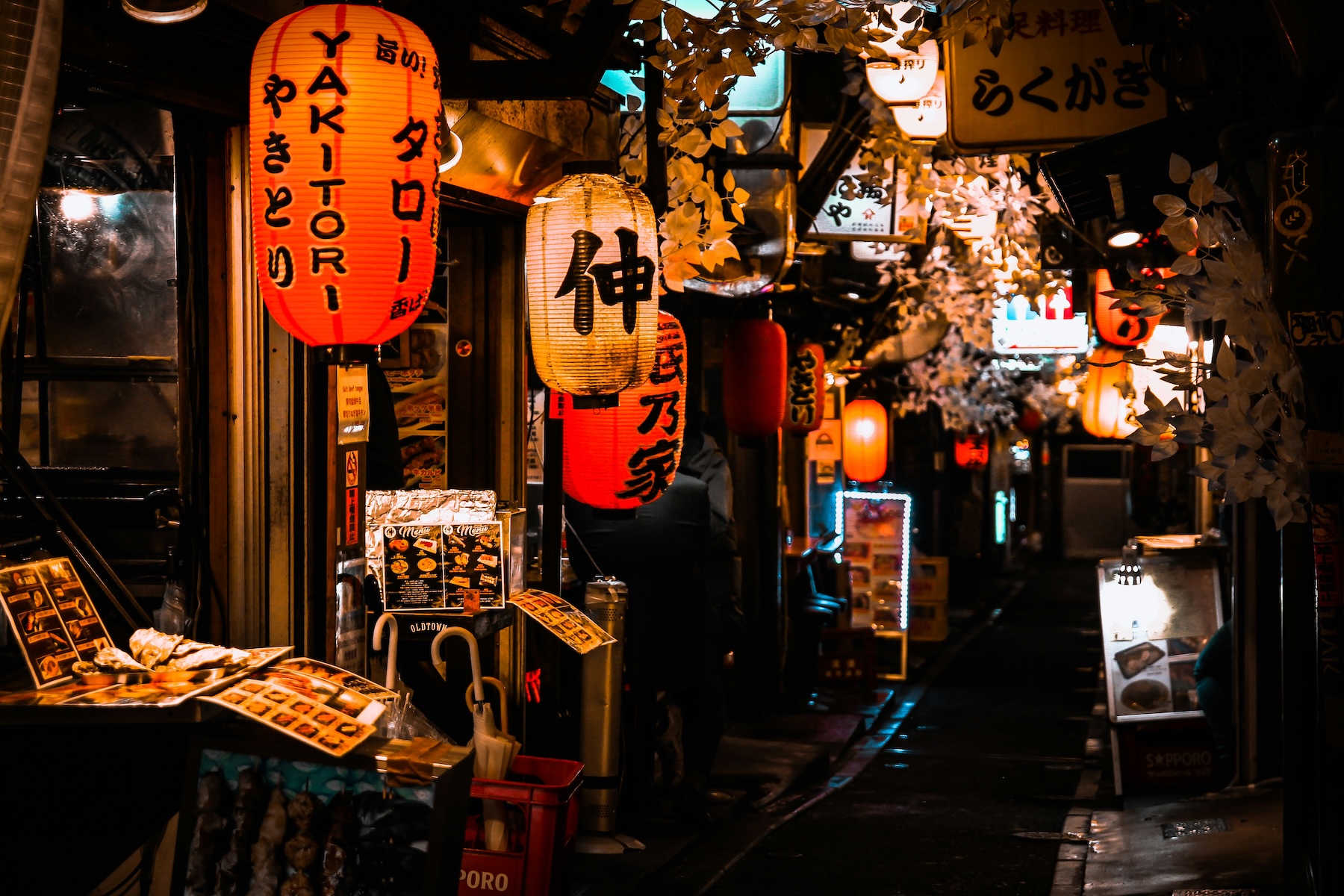
Tokyo is one of the world's most exhilarating cities — a place where ancient shrines sit beside neon-lit skyscrapers, and where you can eat the best meal of your life from a vending machine corridor. But it's also enormous. With 37 million people across an area bigger than some countries, trying to "wing it" usually results in spending half your trip on the subway looking confused.
Here's how to plan a proper 7-day Tokyo itinerary that covers the highlights without the burnout.
Before You Go: The Essentials
IC Card (Suica or Pasmo) — Load money onto one of these reusable transit cards the moment you land. They work on the entire subway, most buses, and even convenience stores. Do not try to buy individual tickets.
Pocket WiFi or eSIM — Japan's cell coverage is excellent but foreign SIMs often don't work well. Rent a pocket WiFi from the airport or buy an eSIM in advance.
Japan Rail Pass — If you're doing day trips (Nikko, Hakone, Kamakura), a JR Pass pays for itself quickly. Otherwise skip it for Tokyo-only travel.
Day-by-Day Breakdown
Day 1: Shinjuku — Land and Orient
After a long flight, don't try to be a hero. Shinjuku is the perfect landing pad — it's centrally located and has everything within walking distance.
- Morning: Check in, shower, reset. Walk through Shinjuku Gyoen National Garden to decompress.
- Afternoon: Explore Kabukicho and the Golden Gai alleyways — tiny bars with 6 seats and a lifetime of stories.
- Evening: Head to the Tokyo Metropolitan Government Building for free views from the observation deck. Then ramen at Fuunji (arrive before 11am or expect queues).
Day 2: Harajuku & Shibuya — Pop Culture Central
- Morning: Meiji Shrine — a serene forest shrine in the middle of the city. Arrive early before the crowds.
- Midday: Takeshita Street for Harajuku's colourful street fashion and crepes. Omotesando for high-end boutiques and incredible architecture.
- Afternoon: Shibuya Crossing — the world's busiest pedestrian intersection. Watch it from Mag's Park above Starbucks, then cross it yourself.
- Evening: Dinner at Ichiran Ramen (solo booths, perfect ramen, no judgement).
Day 3: Asakusa & East Tokyo — Old Tokyo Vibes
- Morning: Senso-ji Temple in Asakusa. Arrive at 7am before the tourist hordes. The Nakamise shopping street leading up to it sells incredible snacks.
- Midday: Akihabara — whether you're into electronics or anime or neither, it's a sensory experience unlike any other.
- Afternoon: Ueno Park and the Tokyo National Museum if culture is your thing.
- Evening: Yanaka — one of Tokyo's last old-town neighbourhoods, largely untouched by modernisation. Perfect for wandering.
Day 4: Day Trip to Nikko or Kamakura
Take a break from the city. Both are 60-90 minutes from central Tokyo.
Nikko: Lavishly decorated 17th-century shrines and mausoleums surrounded by cedar forest. Otherworldly.
Kamakura: Home to the giant outdoor Buddha (Kotoku-in), coastal walking trails, and excellent soba restaurants. More relaxed than Nikko.
Catch a mid-morning train, spend the day exploring, and be back in Tokyo for dinner.
Day 5: Tsukiji & Odaiba — Food and Future
- Morning: Tsukiji Outer Market (the inner market moved to Toyosu but the outer area still buzzes). The tamago yaki and fresh sushi for breakfast are unmissable.
- Afternoon: Odaiba — the artificial island across Rainbow Bridge. Team Lab's digital art museum is here and worth booking in advance.
- Evening: Toyosu Market evening tuna auction ballot (apply months in advance — it's worth it if you can get a spot).
Day 6: Shimokitazawa & West Tokyo — The Local Side
This is where Tokyoites actually spend their weekends.
- Morning/Afternoon: Shimokitazawa — a neighbourhood of vintage shops, independent cafes, live music venues, and the best brunch spots in the city. No agenda needed; just wander.
- Evening: Nakameguro along the canal when the cherry blossoms are out (late March/early April), or any time for the best coffee shops and izakayas in Tokyo.
Day 7: Roppongi & Ginza — Art and Luxury
- Morning: Roppongi Hills and the Mori Art Museum — stunning views of the city plus world-class contemporary art.
- Afternoon: Ginza for window shopping and the Itoya stationery store (six floors of beautiful stationery, even if you don't buy anything).
- Evening: A final kaiseki dinner if the budget allows, or yakitori under the train tracks at Yurakucho.
Getting the Most Out of Your Trip
Eat at the right time — Lunch is the best time for high-end restaurants since many offer set menus at half the dinner price. Dinner queues at popular spots start forming before opening time.
Don't overplan — Tokyo rewards wandering. Leave empty slots in your itinerary for getting lost in a neighbourhood you hadn't planned to visit.
Use DayPack — Seriously. Planning 7 days across the world's biggest city is the kind of task that results in 47 browser tabs and a mild panic attack. Let AI generate your base itinerary and then customise from there.
Final Thoughts
Tokyo is a city that rewards preparation but punishes rigidity. Have a plan — know which neighbourhoods you want to hit each day, pre-book the team lab tickets and any popular restaurants — but leave room to follow your nose.
Seven days is enough to fall in love. It's not enough to see everything. That's precisely why people go back.